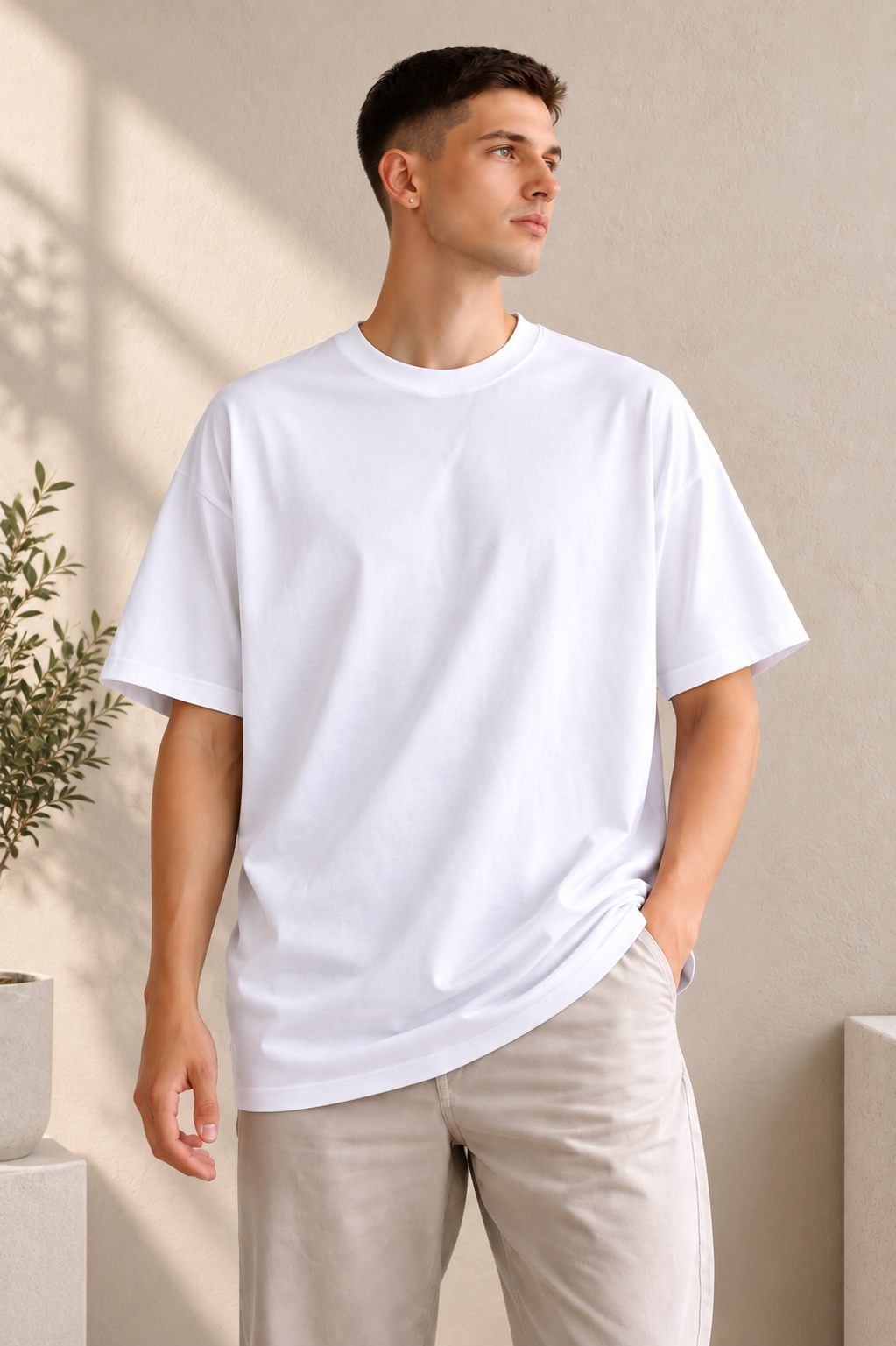
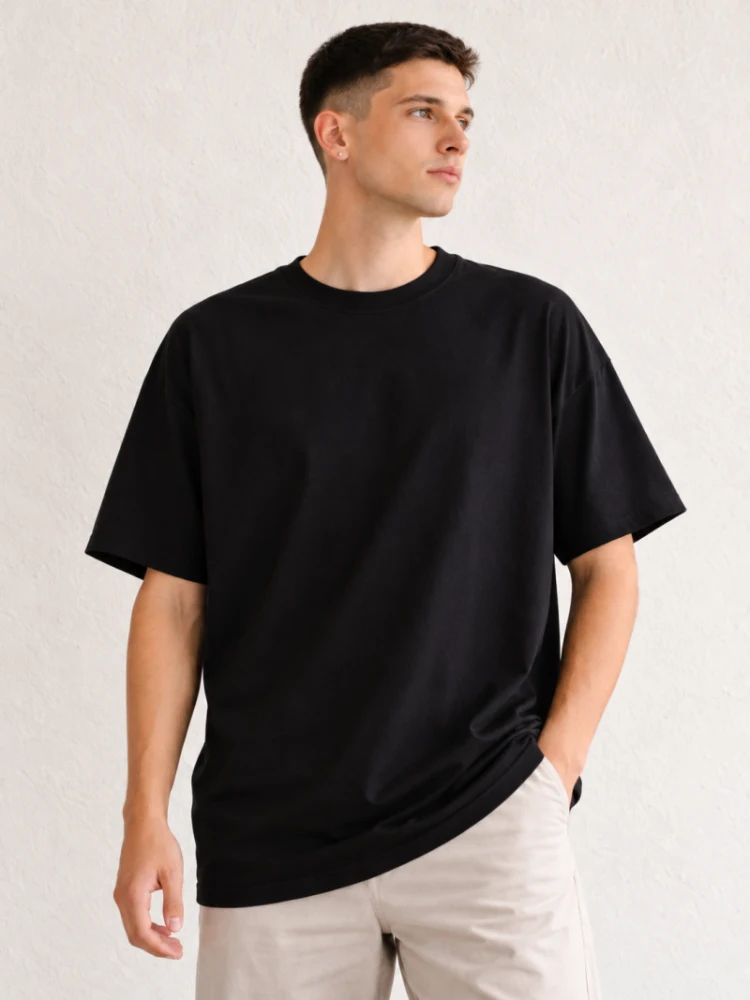
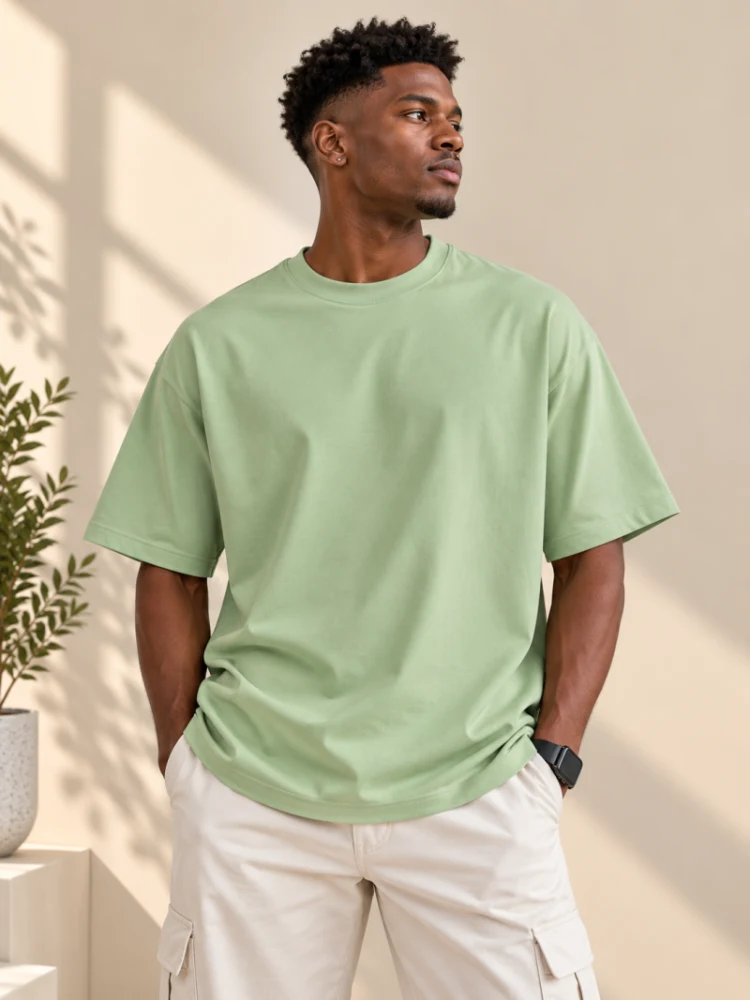
The longevity of a high-grade garment is determined fifty percent on the cutting table and fifty percent in the laundry room. Even the finest 220 GSM combed cotton or European flax linen will suffer premature fiber breakdown if subjected to boiling water, abrasive tumbler friction, and aggressive chemical bleaching agents.
Fortunately, caring for natural fibers correctly requires less effort, less heat, and significantly less chemical intervention than conventional fast-fashion habits suggest. Here is our atelier guide to keeping your Danvi pieces in peak structural condition.
1. Temperature Discipline: Wash Cold
Hot water is the primary catalyst for cotton shrinkage and fiber weakening. Modern liquid detergents are enzymatically engineered to dissolve sebum and dirt effectively at 30°C or room temperature water. Washing your heavyweight tees cold prevents the twisted cotton fibers from contracting violently, preserves the rich depth of reactive dyes (such as our Deep Charcoal and Dark Olive), and reduces domestic energy consumption.
2. Inversion and Friction Control
Before dropping your t-shirts into the washing drum, always turn them inside out. This simple three-second habit accomplishes two critical protective functions:
- It shields the smooth outer face of the combed cotton from rubbing abrasively against zippers, denim rivets, or heavy pocket seams.
- For garments with subtle typography or screen details, inversion prevents direct surface abrasion and keeps the lettering razor-sharp.
3. The Anti-Dryer Rule: Line Dry in Ambient Shade
Tumble dryers are the single greatest enemy of quality apparel. The lint screen in your dryer is not dust; it is your garment being stripped of its cotton fibers thread by thread through thermal stress and mechanical tumbling.
Instead, shake the damp tee gently upon removal from the wash to ease out major folds, reshape the collar ribbing flat with your fingers, and drape it across a drying rack or clothesline in the shade. Direct tropical sunlight acts as a natural bleaching agent that will fade dark colors over time, so shaded airflow is always ideal.
4. Collar Ribbing and Hanger Safety
The neckline of a t-shirt contains elasticized ribbed cotton engineered to snap back into position. When inserting a clothes hanger, never force the hanger head directly down through the neck opening, as this stretches the ribbing past its elastic recovery point. Always slide the hanger upward from the bottom hem of the shirt.
For heavyweight 220 GSM garments, we recommend folding them flat in a drawer rather than hanging them on thin metal wire hangers. Heavy wet or dry cotton can stretch at the shoulder seams under its own weight over prolonged months.
5. Steaming Versus Ironing
If you prefer a crisp finish, a vertical handheld garment steamer is far superior to a flat hot iron. Steaming relaxes the cotton fibers with gentle moisture without crushing the soft three-dimensional loft of the combed knit. If using a traditional iron, set it to medium heat, iron on the reverse side, and never press an iron directly over prints or care labels.